 |
 |
| 首页 | 机械毕业设计 | 电子电气毕业设计 | 计算机毕业设计 | 土木工程毕业设计 | 视觉传达毕业设计 | 理工论文 | 文科论文 | 毕设资料 | 帮助中心 |
| 今天是: |
|>>> 您现在的位置:首页>>>>文档详细内容 |
| 设计 任务书 文档 开题 答辩 说明书 格式 模板 外文 翻译 范文 资料 作品 文献 课程 实习 指导 调研 下载 网络教育 计算机 网站 网页 小程序 商城 购物 订餐 电影 安卓 Android Html Html5 SSM SSH Python 爬虫 大数据 管理系统 图书 校园网 考试 选题 网络安全 推荐系统 机械 模具 夹具 自动化 数控 车床 汽车 故障 诊断 电机 建模 机械手 去壳机 千斤顶 变速器 减速器 图纸 电气 变电站 电子 Stm32 单片机 物联网 监控 密码锁 Plc 组态 控制 智能 Matlab 土木 建筑 结构 框架 教学楼 住宅楼 造价 施工 办公楼 给水 排水 桥梁 刚构桥 水利 重力坝 水库 采矿 环境 化工 固废 工厂 视觉传达 室内设计 产品设计 电子商务 物流 盈利 案例 分析 评估 报告 营销 报销 会计 | |||||
|
|||||
|
|||||
|
|||||
注意力机制驱动深度学习的多标签图像分类系统设计与实现
摘要 随着多媒体技术的快速发展和互联网的迅速普及,多标签图像数据的规模在不断扩大, 多标签图像分类逐渐成为计算机视觉领域中的重要分支。与单标签分类任务不同,多标签图像中具有类别复杂多样,类标数量不确定等难题,因此如何解决这些问题成为多标签图像分类研究的关键。
多标签分类任务主要处理两个方面的问题,即如何增强标签与图像区域之间的映射关系和标签与标签之间的共现关系。考虑到以上的两个方面,本文基于注意力机制和图卷积神经网络, 设计了一个端到端的模型架构,它主要由两个部分组成。一个是注意力模块,用于加强语义区域和特定标签的关联,并生成基于图像内容的标签类别表示;第二个模块是动态图卷积模块, 用于学习所感知类别之间的相关性,最终依据这两个模块进行最终的多标签分类。具体而言, 我们首先通过注意力模块将图像的基本特征图转换为基于图像内容的标签类别表示,然后将这些标签类别表示输入到图卷积神经网络模块中,该模块由静态图和动态图组成,两种图依次进行特征传播和更新。最终,由动态图卷积网络构建出新的基于图像内容感知的标签类别表示的深层关联。在Microsoft COCO 2014数据集上的实验表明,该方法能有效提升多标签图像分类的综合性能。根据与其它方法的对比可以知道,本文所设计的方法能够更加准确地进行多标签图像分类。
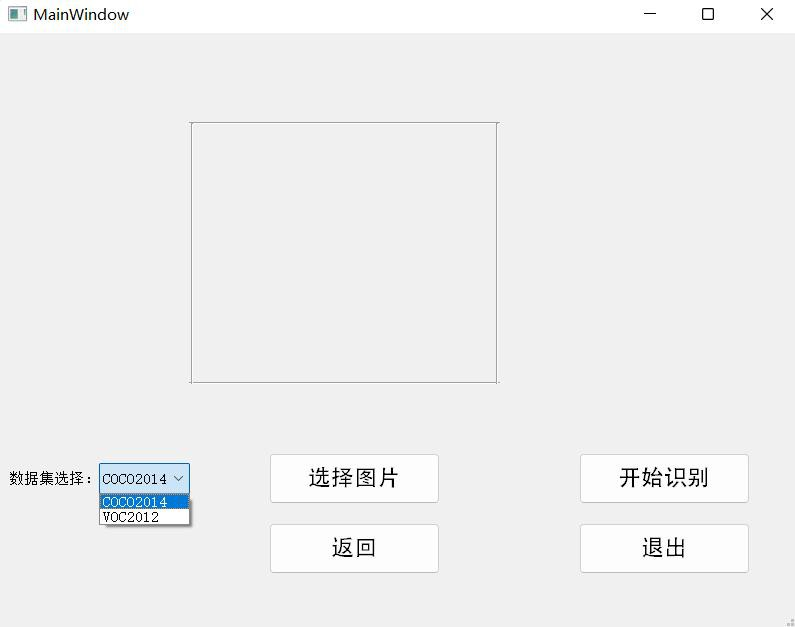
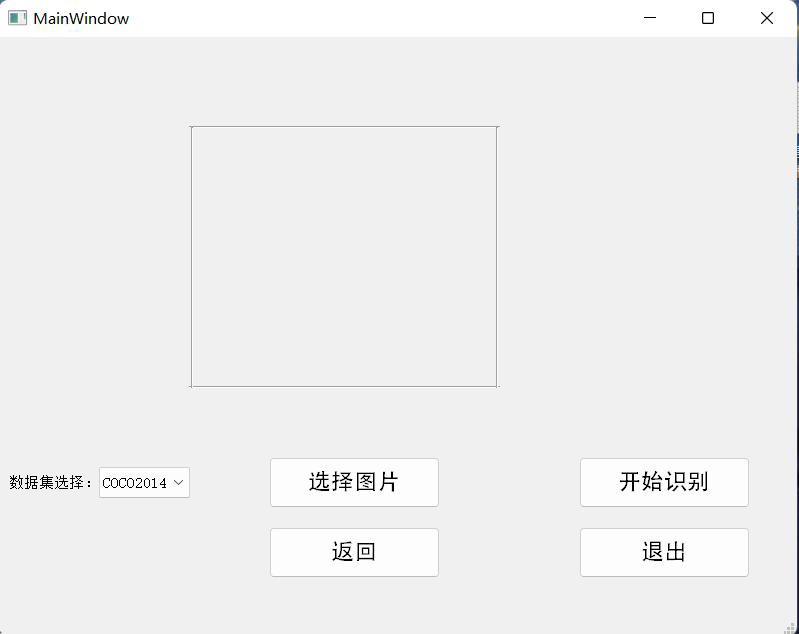
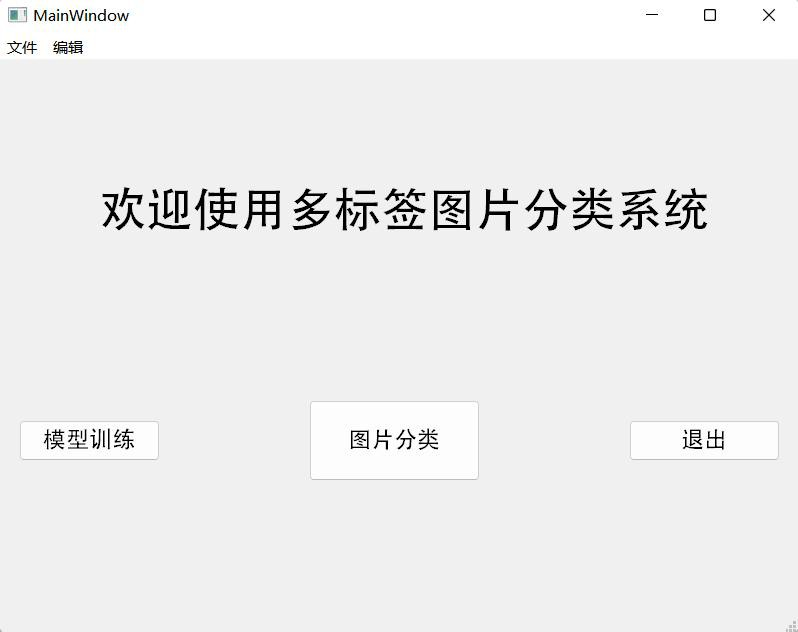
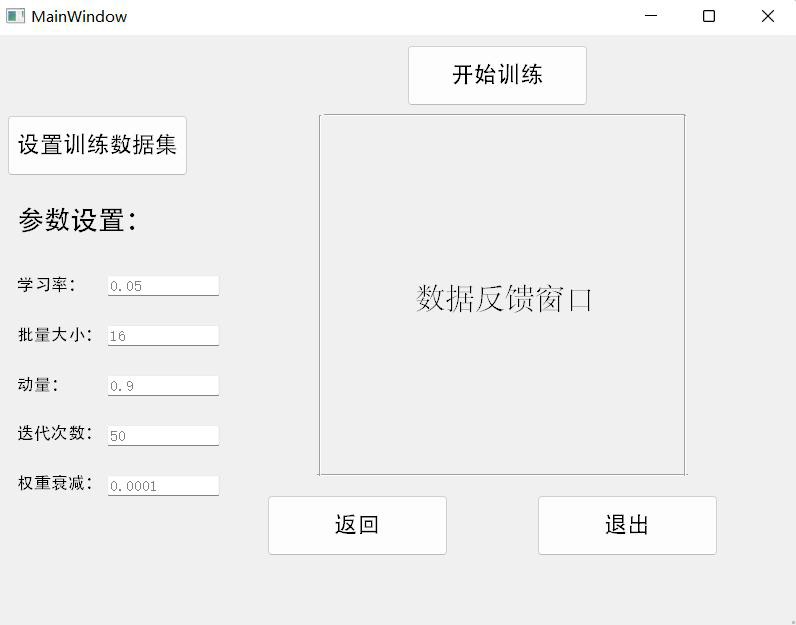
基于本文设计的模型,借助PyQt设计实现了多标签图像分类系统。此系统用户交互简单, 主要可分为模型训练和图像分类两部分。经过系统测试可以知道,该模型的多标签图像分类的效果较好,验证了本文设计方法的实用性。
关键词:多标签图像分类; 注意力机制; 图卷积神经网络; 特征提取
Design and Implementation of Multi-lable Image Classification System Based on Deep Learning Driven by Attention Mechanism
Abstract With the rapid development of multimedia technology and the fast popularity of the Internet, the scale of multi-lable image data is expanding, and multi-label image classification has gradually become an important research direction in the field of computer vision. Different from the
traditional single-lable classification task, there are more complex and changeable semantic relations in multi-lable images, which makes the task of multi-lable classification relatively difficult. Therefore, for multi-lable classification, we need to mine the classification method with fast classification speed and high accuracy.
The task of multi-label classification mainly deals with two aspects, namely, how to enhance the mapping relationship between lables and image regions and the co-occurrence relationship between lables and lables. Based on the above two aspects, this thesis designs an end-to-end attention-driven dynamic graph convolution network, which is mainly composed of two modules. One is the semantic attention module, which is used to locate the semantic region and generate a content-aware category representation for each image; the second module is the dynamic graph convolution module, which is used to learn the correlation between perceived categories, and finally carry on the final multi-label classification according to these two modules. Specifically, we first decompose the convolution feature graph into multiple content-aware category representations through the semantic attention module, and then input these representations into the dynamic GCN module, which propagates features through two joint graphs: static graph and dynamic graph.
Finally, the subtle dependencies represented by these content-aware categories are captured by dynamic GCN and output classification. Experiments on Microsoft-COCO2014 data sets show that this method can effectively improve the comprehensive performance of multi-label image classification.According to the comparison with other methods, we can know that the method designed in this thesis can classify multi-label images more accurately.
Based on the multi-lable classification algorithm in this thesis, a multi-lable classification system is designed and implemented by PyQt . The system includes the training of dataset and the function module of multi-label image prediction and classification. The user interaction of this system is simple, and the effect of multi-lable image classification is good, which verifies the practicability of the design method in this thesis.
Keywords: Multi-label image classification; Attention mechanism; Graph convolution network; Feature extraction
第一章 绪论 1
1.1课题研究背景和意义 1
1.2国内外研究现状 2
1.2.1基于单标签图像改进后的多标签分类方法研究现状 2
1.2.2基于标签语义关联和标签区域关联的多标签分类方法研究现状 2
1.3论文的主要工作 3
1.4论文的组织安排 4
第二章 相关理论与网络模型的介绍 6
2.1多标签图像分类的概念 6
2.2特征提取相关网络模型的介绍 7
2.2.1卷积神经网络模型 7
2.2.2VGG 网络模型 8
2.2.3ResNet 残差网络模型 8
2.2.4注意力机制 9
2.2.5图卷积神经网络 10
第三章 联合注意力的动态图卷积多标签图像分类模型 12
3.1模型的网络结构 12
3.1.1整体网络结构 12
3.1.2使用深度神经网络来获取基本图像特征 13
3.1.3使用注意力机制获取显著图像特征 14
3.1.4图像内在关联分离器的学习 15
3.2多标签图像分类模型的训练 17
3.3使用训练好的模型实现多标签分类 17
3.4实验与分析 18
3.4.1实验环境 18
3.4.2评估数据集合和评价指标 18
3.4.3实验参数设置 19
3.4.4COCO2014数据集上实验结果与分析 19
第四章 多标签图像分类系统分析设计 21
4.1需求分析 21
4.2可行性分析 21
4.3总框架设计 22
4.4总功能模块设计 22
第五章 多标签图像分类系统实现 24
5.1开发环境简介 24
5.2系统界面实现 24
5.3系统测试 27
第六章 总结与展望 31
6.1 结论 31
6.2 对未来工作的展望 31
致 谢 33
参考文献 34

毕业66资料站 biye66.com ©2015-2026 版权所有 | 微信:15573586651 QQ:3903700237
本站毕业设计和毕业论文资料均属原创者所有,仅供学习交流之用,请勿转载并做其他非法用途.如有侵犯您的版权有损您的利益,请联系我们会立即改正或删除有关内容!