 |
 |
| 首页 | 机械毕业设计 | 电子电气毕业设计 | 计算机毕业设计 | 土木工程毕业设计 | 视觉传达毕业设计 | 理工论文 | 文科论文 | 毕设资料 | 帮助中心 |
| 今天是: |
|>>> 您现在的位置:首页>>>>文档详细内容 |
| 设计 任务书 文档 开题 答辩 说明书 格式 模板 外文 翻译 范文 资料 作品 文献 课程 实习 指导 调研 下载 网络教育 计算机 网站 网页 小程序 商城 购物 订餐 电影 安卓 Android Html Html5 SSM SSH Python 爬虫 大数据 管理系统 图书 校园网 考试 选题 网络安全 推荐系统 机械 模具 夹具 自动化 数控 车床 汽车 故障 诊断 电机 建模 机械手 去壳机 千斤顶 变速器 减速器 图纸 电气 变电站 电子 Stm32 单片机 物联网 监控 密码锁 Plc 组态 控制 智能 Matlab 土木 建筑 结构 框架 教学楼 住宅楼 造价 施工 办公楼 给水 排水 桥梁 刚构桥 水利 重力坝 水库 采矿 环境 化工 固废 工厂 视觉传达 室内设计 产品设计 电子商务 物流 盈利 案例 分析 评估 报告 营销 报销 会计 | |||||
|
|||||
|
|||||
|
|||||
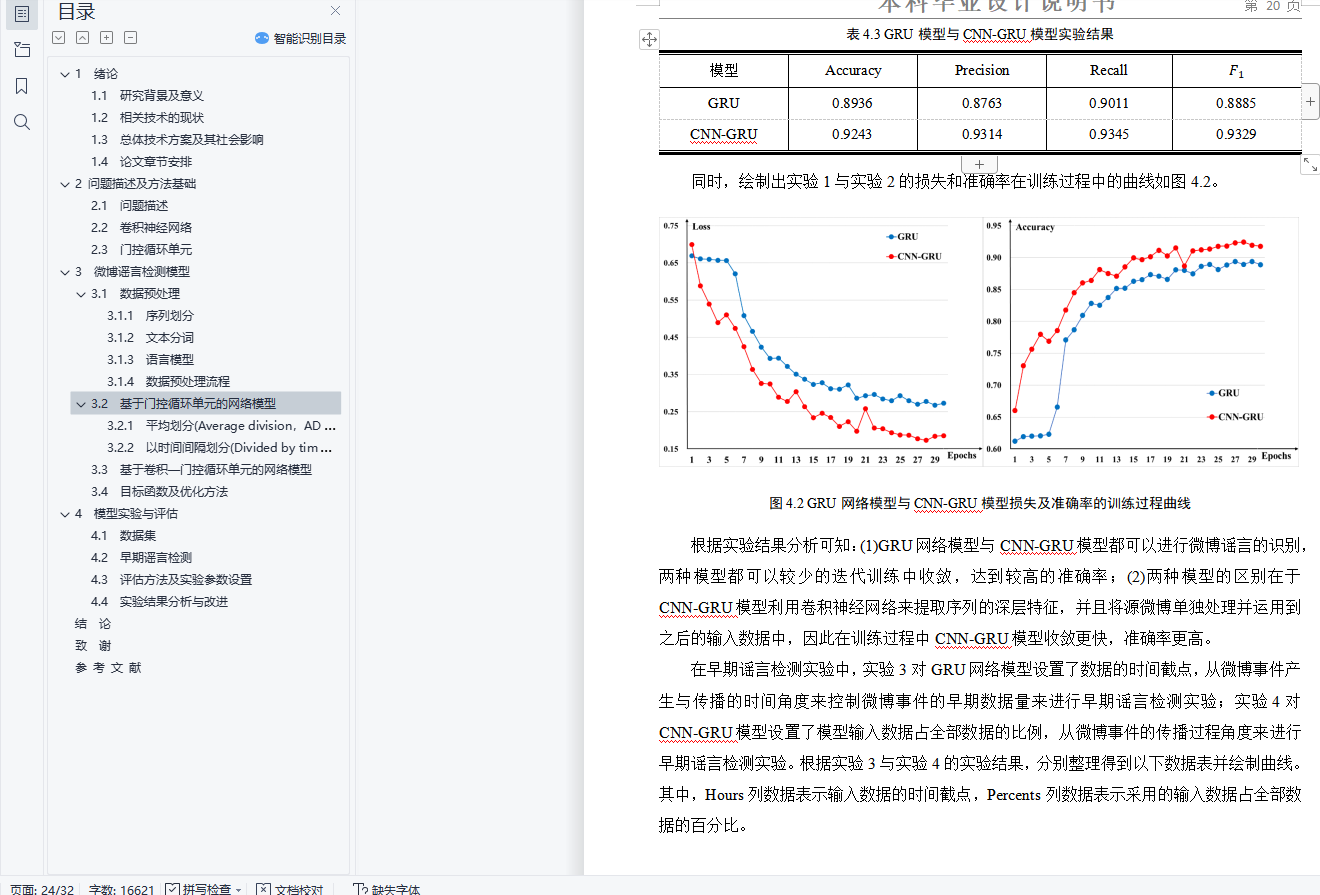
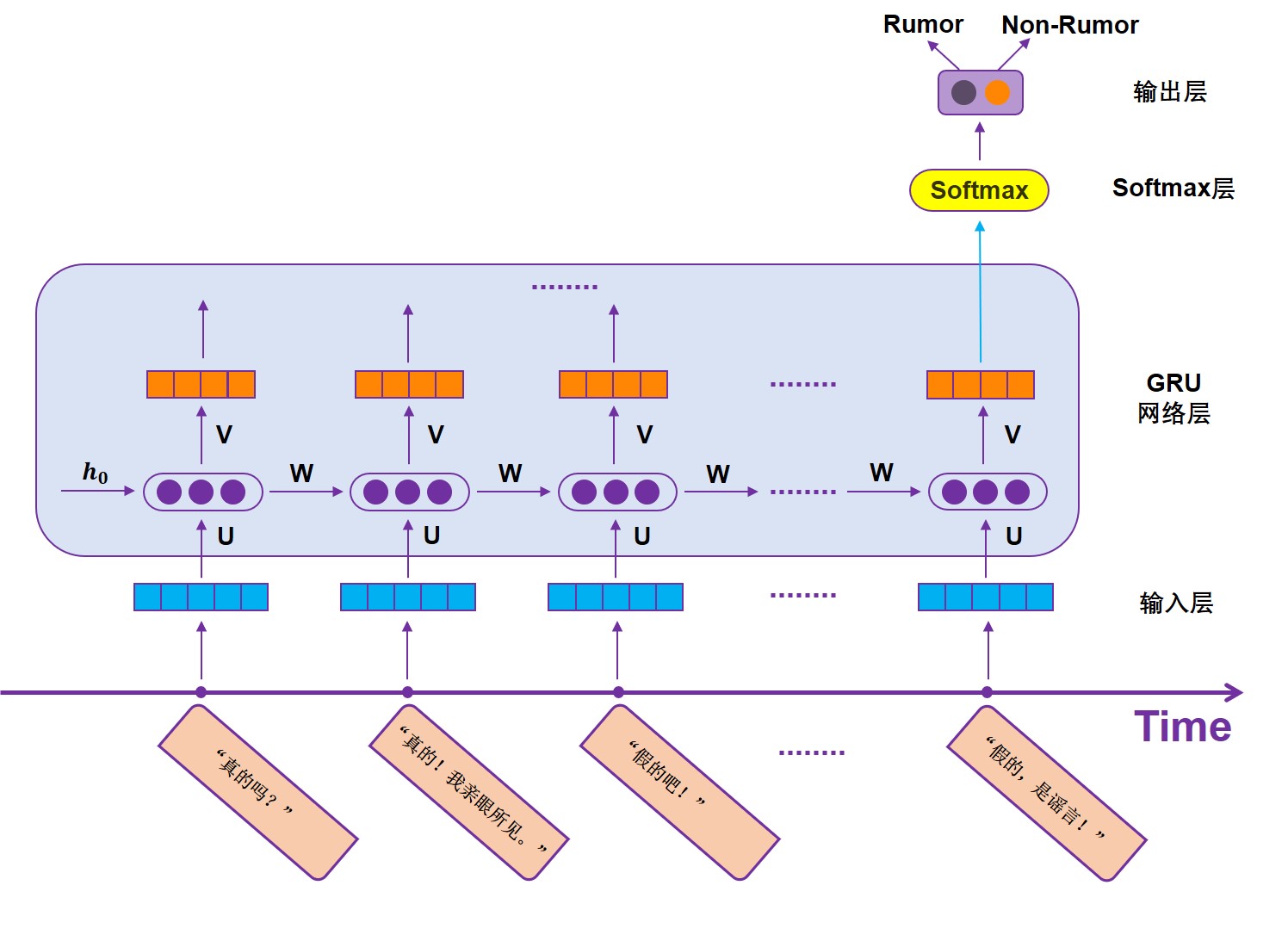
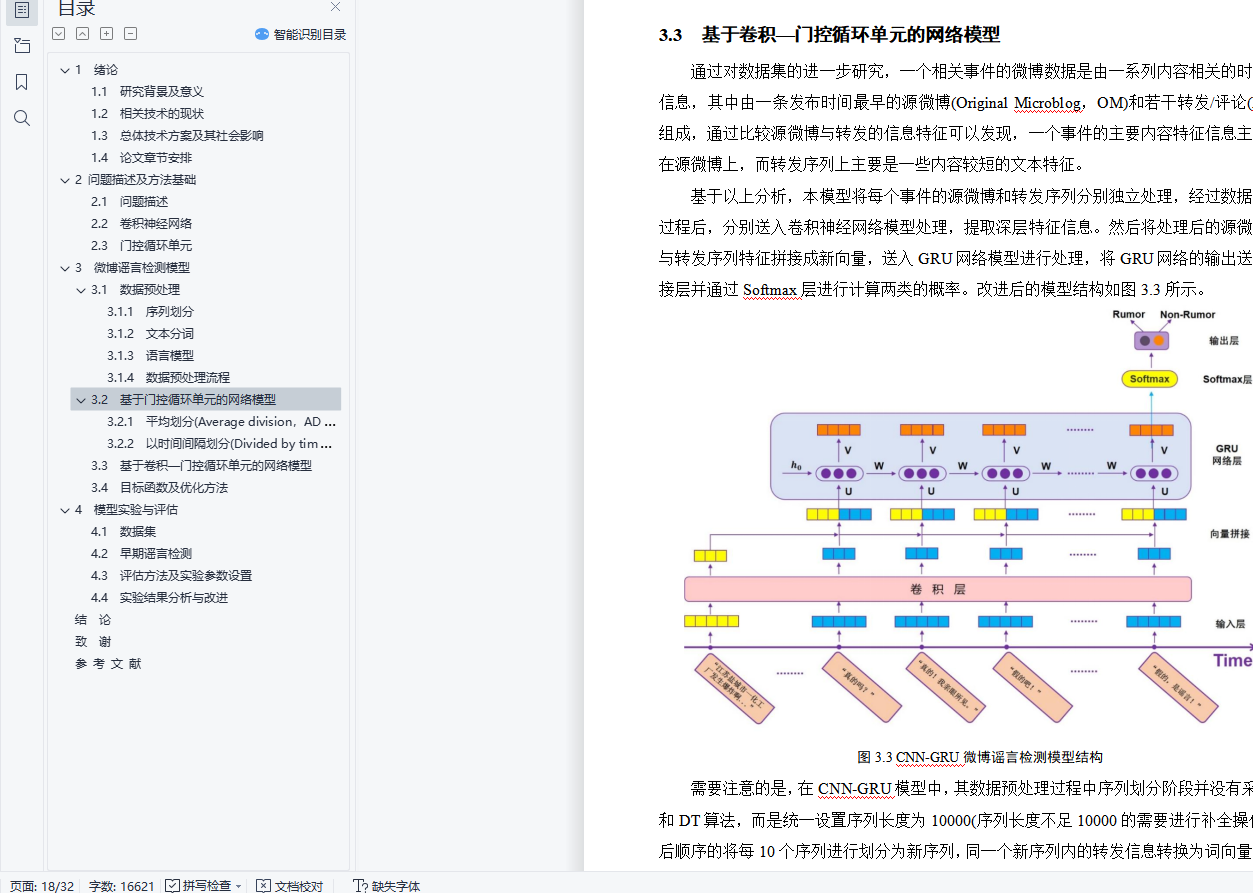
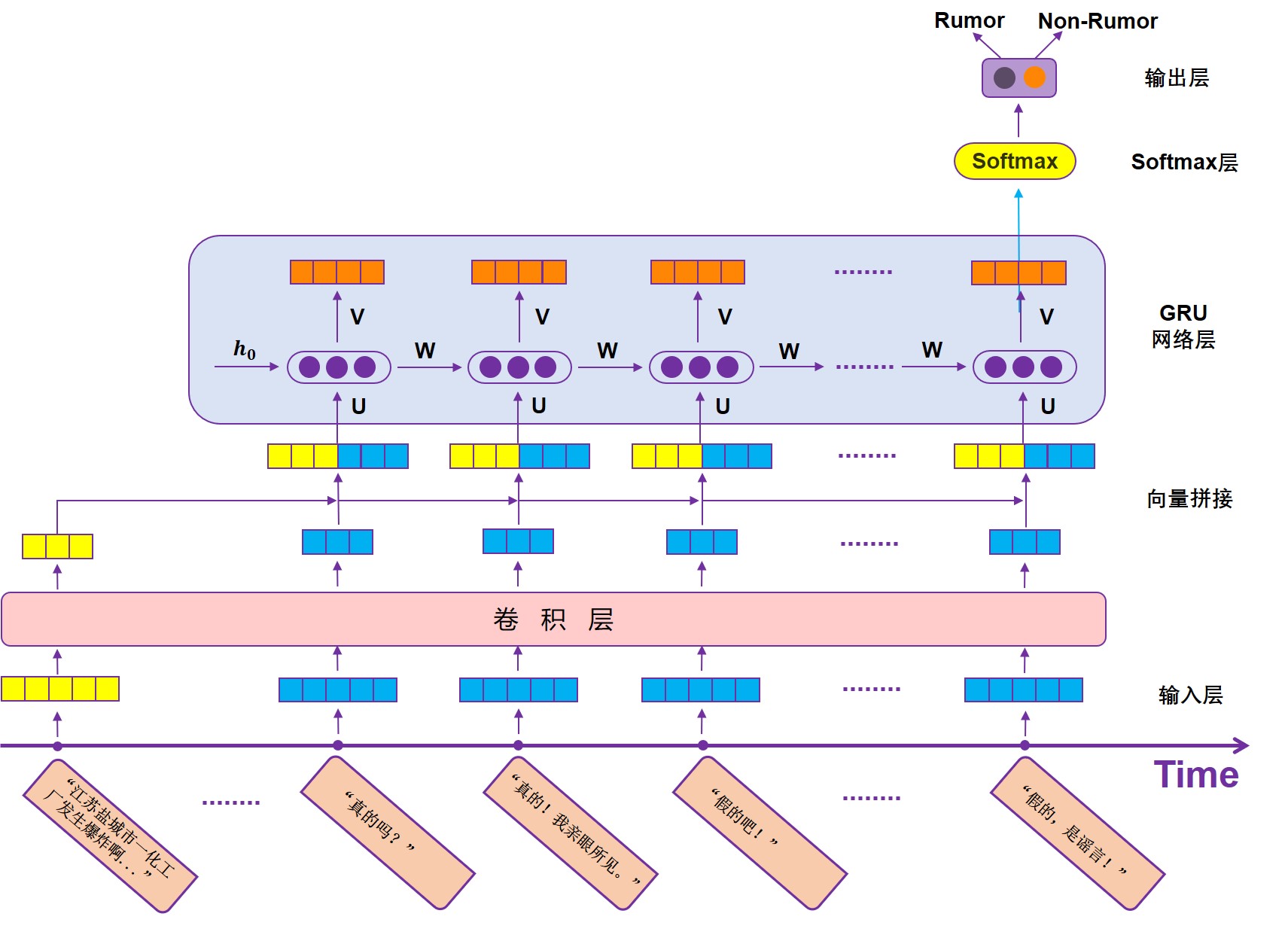
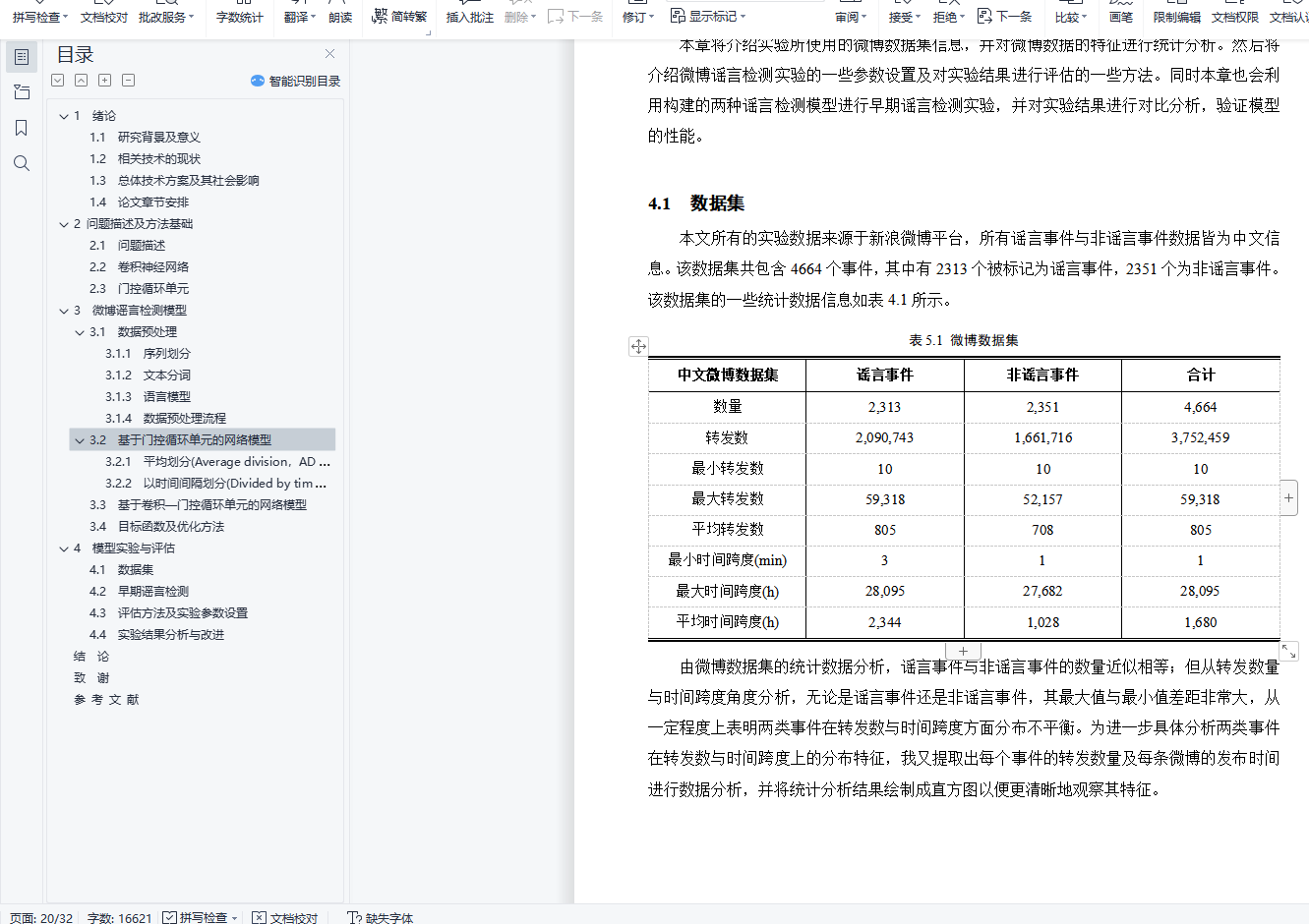
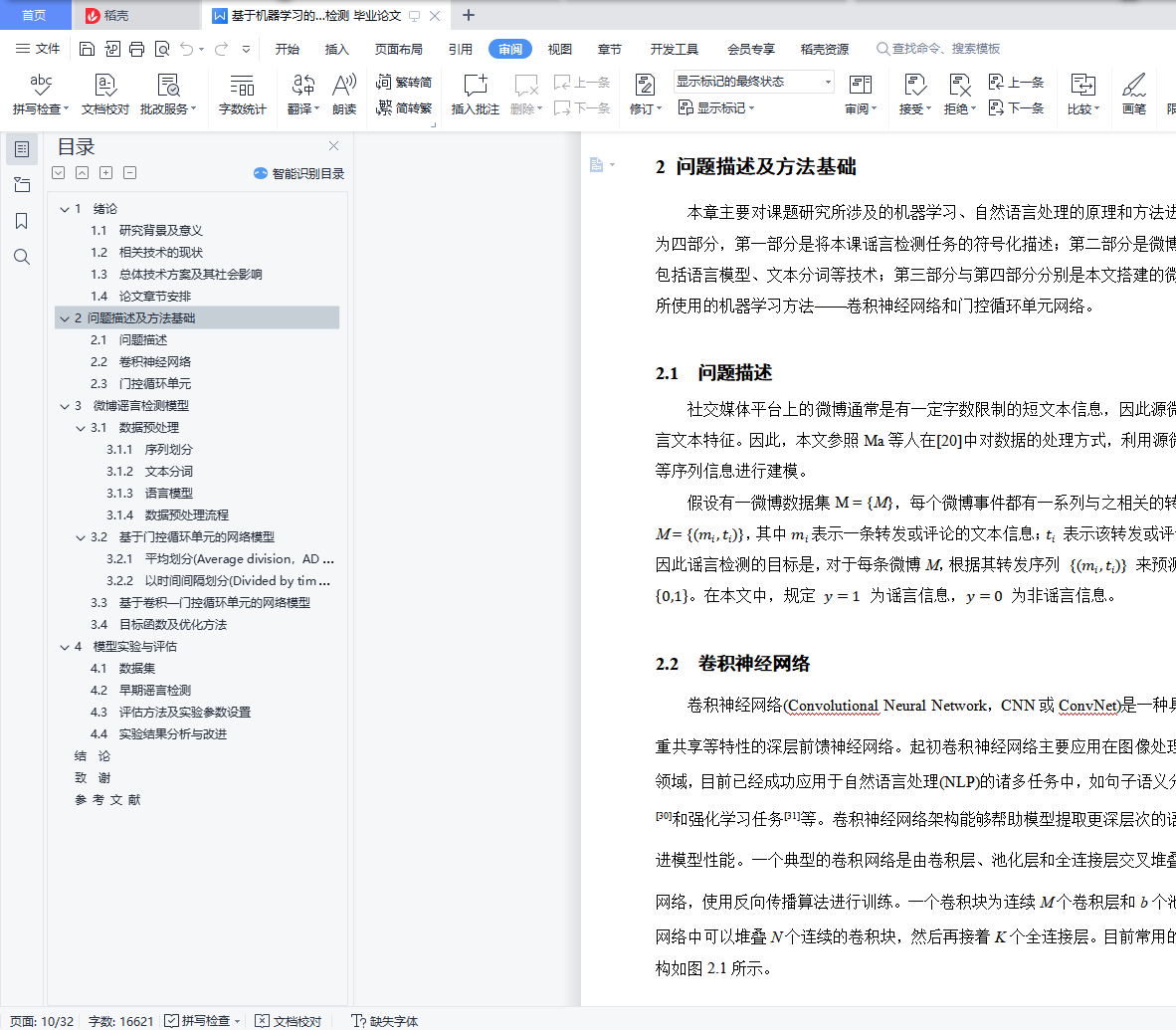
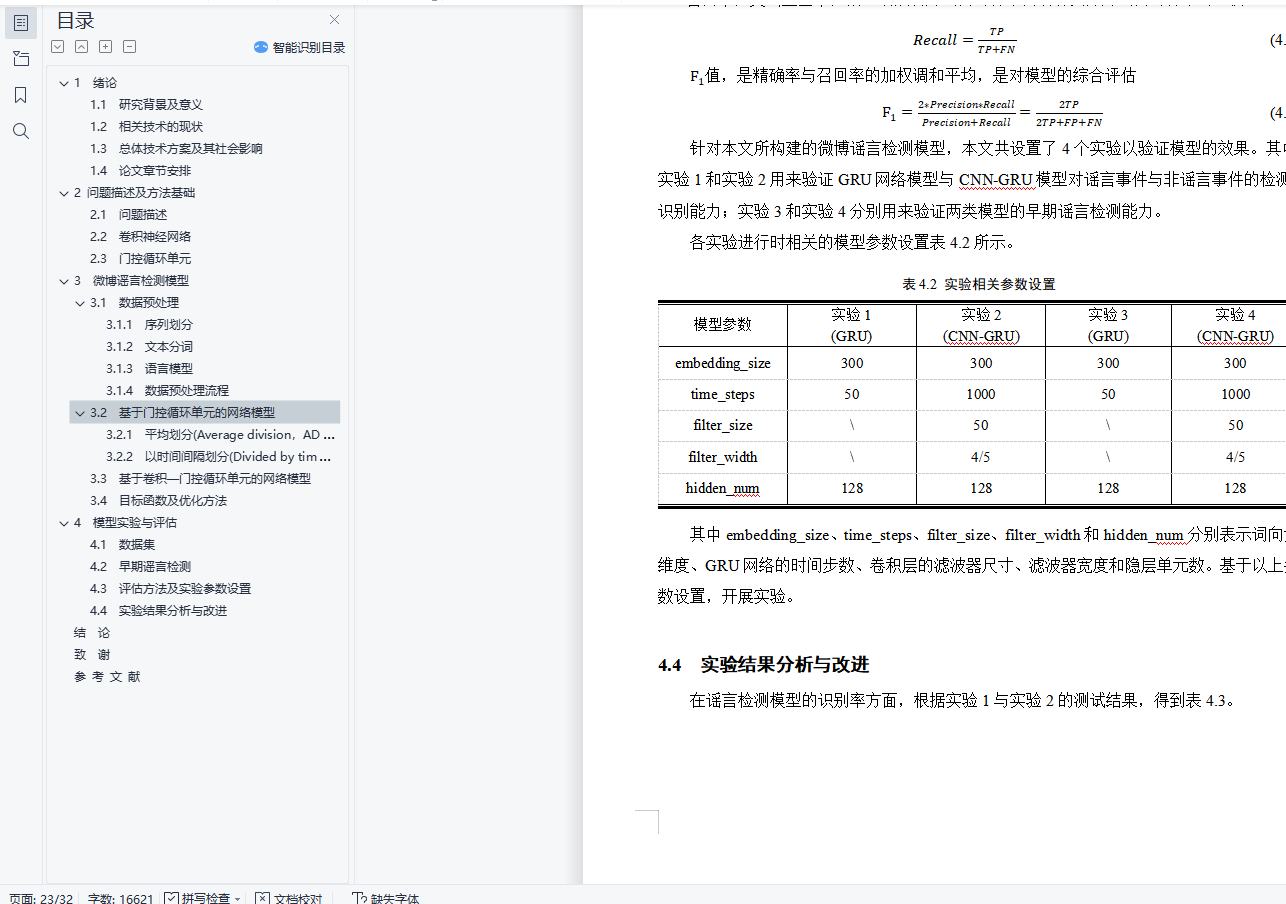
毕业设计说明书中文摘要随着微博平台的流行,微博平台上产生了大量难于验证的谣言信息,并在用户之间快速传播,对平台的发展和社会稳定带来巨大危害。如何自动检测并识别谣言对于制止谣言传播、减小谣言危害具有极其重要的意义。基于以上背景,开展了谣言检测的相关研究。本文对来源于新浪微博的谣言数据集的4664条标注数据进行研究,利用谣言数据中的文本信息以及时间信息进行建模,构建出门控循环单元网络(GRU)模型实现了基于序列模型的微博谣言检测算法,在测试集上达到了89.36%的准确率。在此基础上,利用卷积神经网络(CNN)来提取文本的深层特征,构建出CNN-GRU复合网络模型并获得了测试集上92.43%的准确率。基于上述实验结果,本文进一步对两种谣言检测模型进行早期谣言检测实验,取得了不错的效果。关键词 微博谣言 早期检测 机器学习 深度神经网络毕业设计说明书外文摘要AbstractWith the popularity of the Weibo platform, a large number of rumor messages that are difficult to verify are generated on the Weibo, and spread rapidly among users, which brings great harm to the development of the Weibo platform and social stability. How to automatically detect and identify rumors is of great significance for stopping the spread of rumors and reducing the harm of rumors. Based on the above background, relevant research on rumor detection was carried out.This paper studies the 4664 annotation data from the rumor dataset of Sina Weibo, and uses the text information and time information in the rumor data to model and construct a Gated Recurrent Unit(GRU) model to detect rumors. This rumor detection algorithm achieved 89.36% accuracy on the test set. On this basis, the Convolutional Neural Network(CNN) is used to extract the deep features of the text, and the CNN-GRU composite network model is constructed and the accuracy of 92.43% on the test set is obtained. Based on the above experimental results, this paper further conducts early rumor detection experiments on two rumor detection models, and has achieved great effects.Keywords Rumors Early Detection Machine Learning Deep Neural Network目 次1 绪论…………………………………………………………………………………….……..11.1 研究背景及意义……………………………………………………………….…....... 11.2 相关技术的现状…………………………………………………………………….... 21.3 总体技术方案及其社会影响………………………………………………………… 41.4 论文章节安排………………………………………………………………………… 42 问题描述及方法基础………………………………………………………………..……… 62.1 问题描述……………………………………………………………………………… 62.2 卷积神经网络........…………………………………………………………………… 62.3 门控循环单元………………………………………………………………………… 73 微博谣言检测模型…………………………………………………………………..…...… 103.1 数据预处理……………………………………………………………………………103.2 基于门控循环单元的网络模型…………………………………………………...… 123.3 基于卷积-门控循环单元的网络模型………..………………………………………143.4 目标函数及优化方法…………………………………………………………………154 模型实验与评估..…………………………………………………………………....………164.1 数据集…………………………………………………………………………………164.2 早期谣言检测…………………………………………………………………………184.3 评估方法及实验参数设置……………………………………………………………184.4 实验结果分析与改进………………………………………………….……………...19结论..…………………………………….………………………………………………...…..... 24致谢.………………………………………………………….……………………………….….25参考文献……………………………………………………………………………………....…26


毕业66资料站 biye66.com ©2015-2026 版权所有 | 微信:15573586651 QQ:3903700237
本站毕业设计和毕业论文资料均属原创者所有,仅供学习交流之用,请勿转载并做其他非法用途.如有侵犯您的版权有损您的利益,请联系我们会立即改正或删除有关内容!