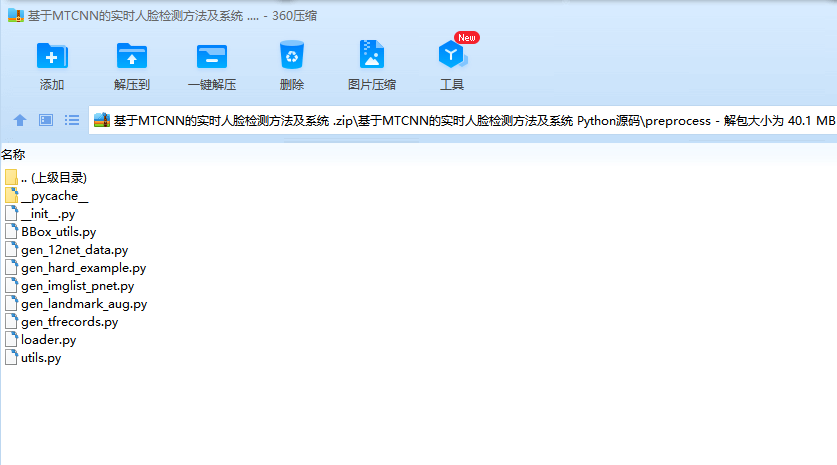
基于MTCNN的实时人脸检测方法及系统 毕业论文+对应课程报告+Python源码+运行说明
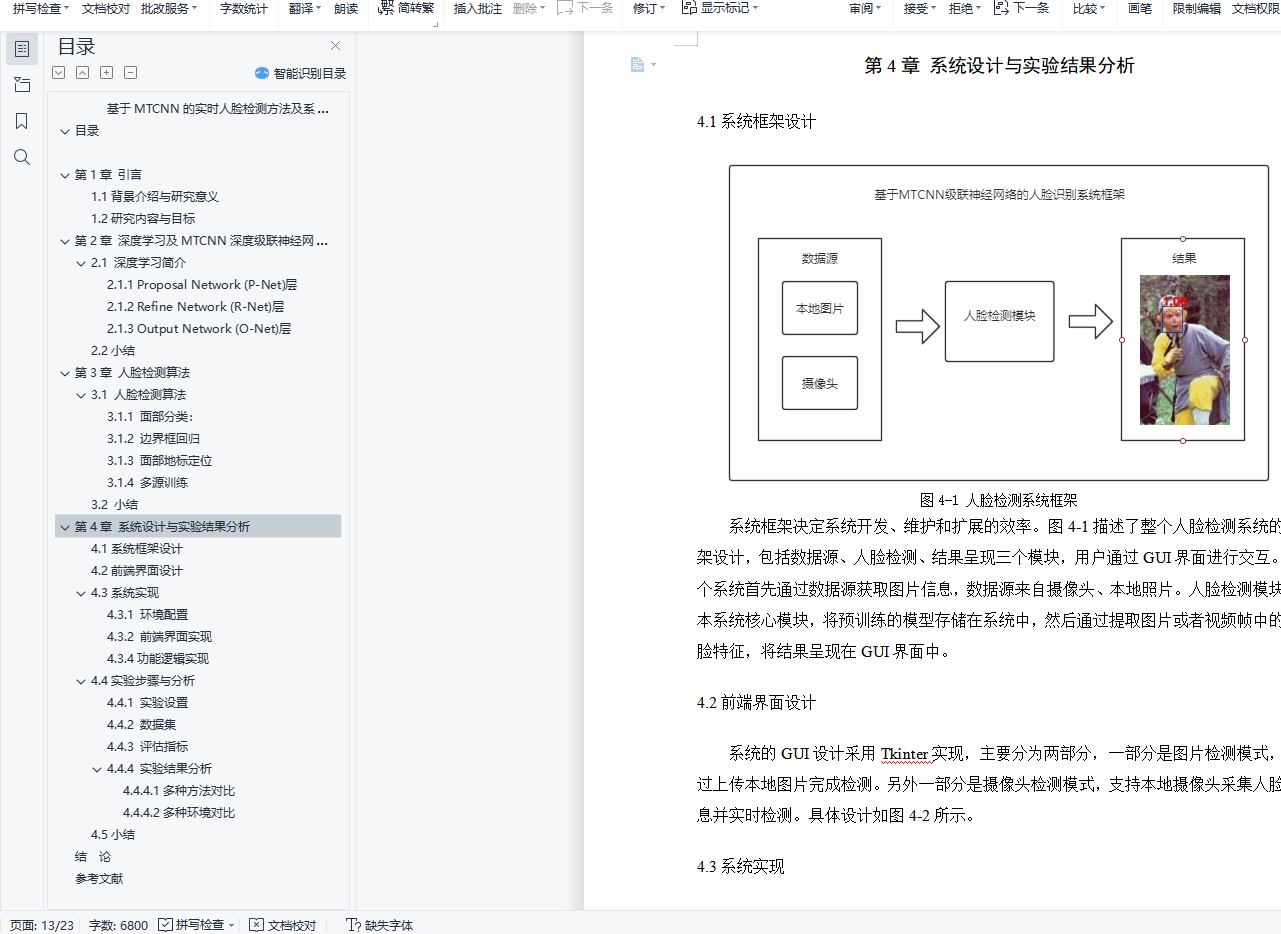
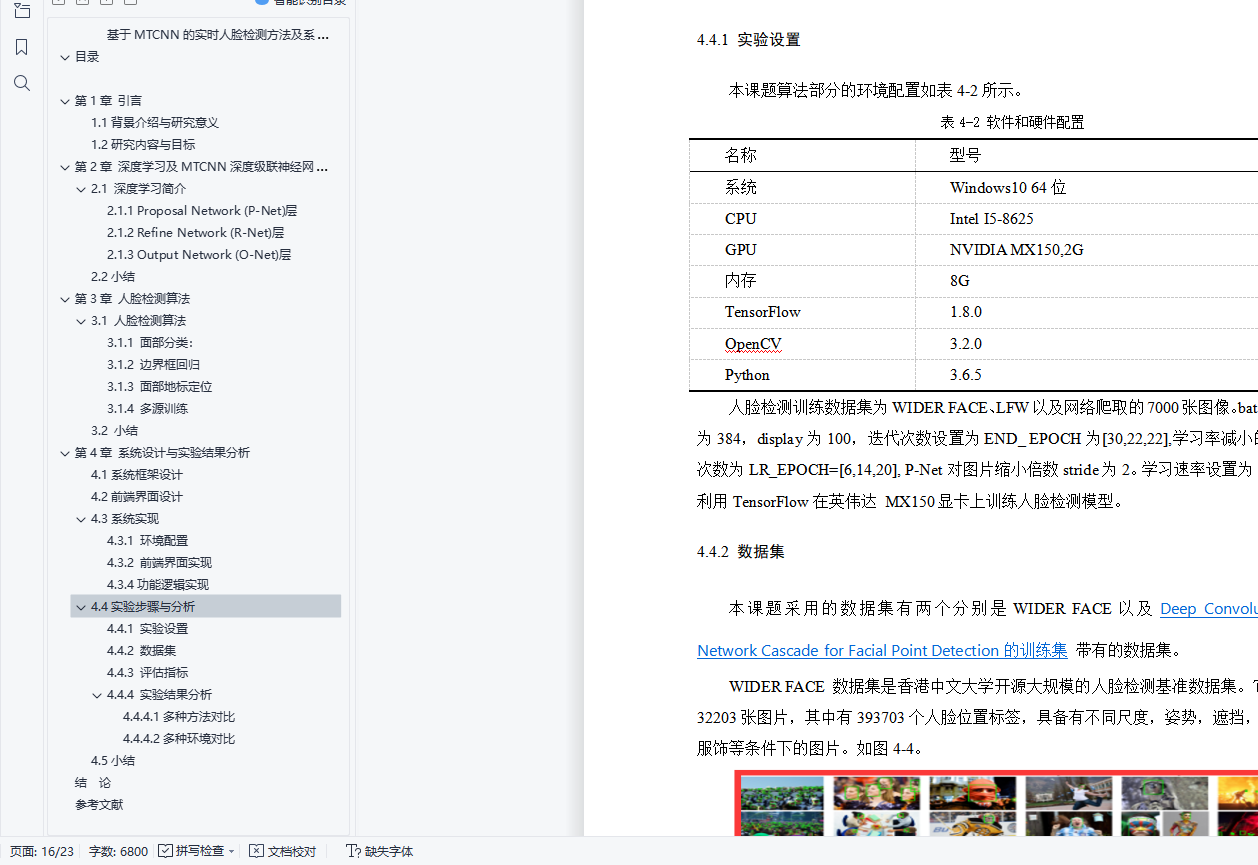
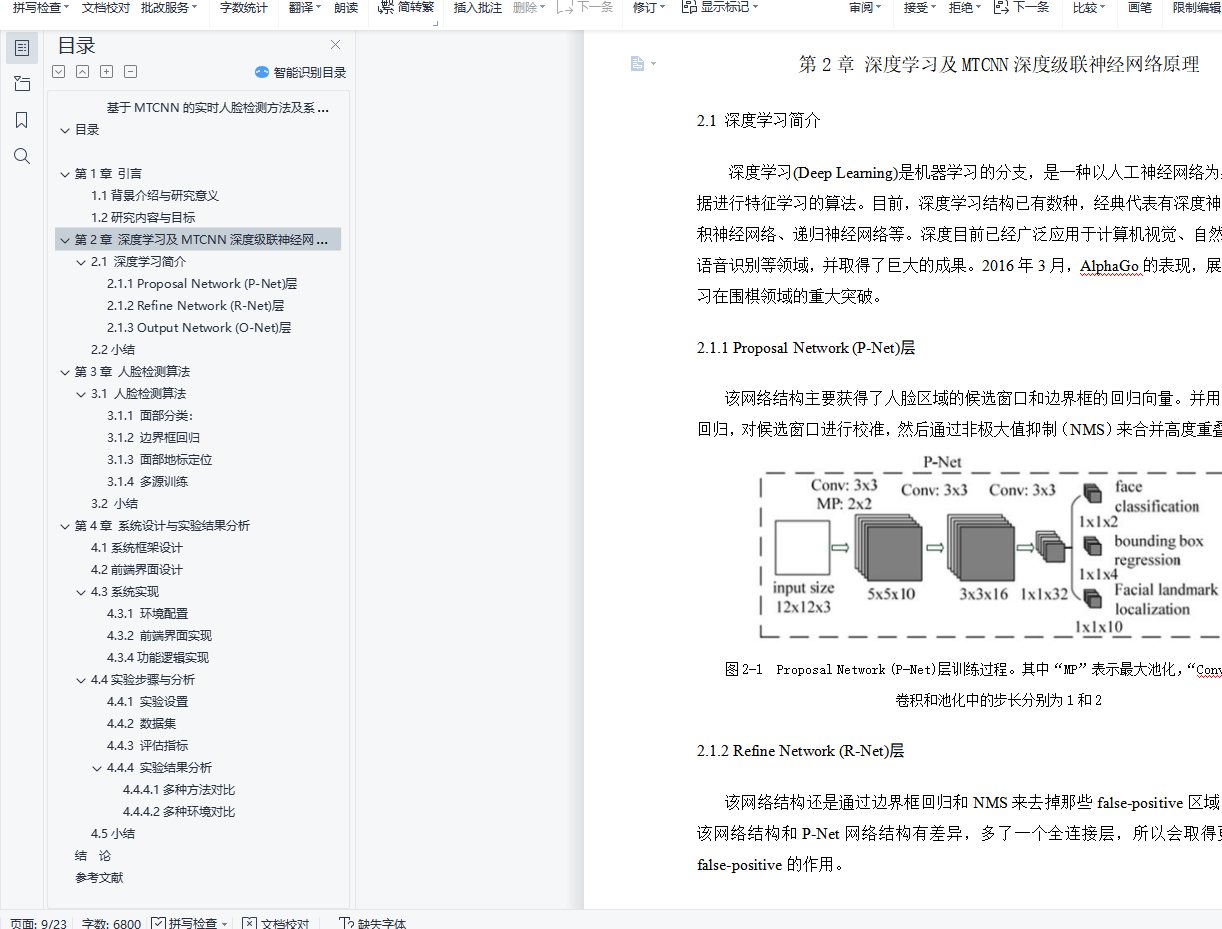
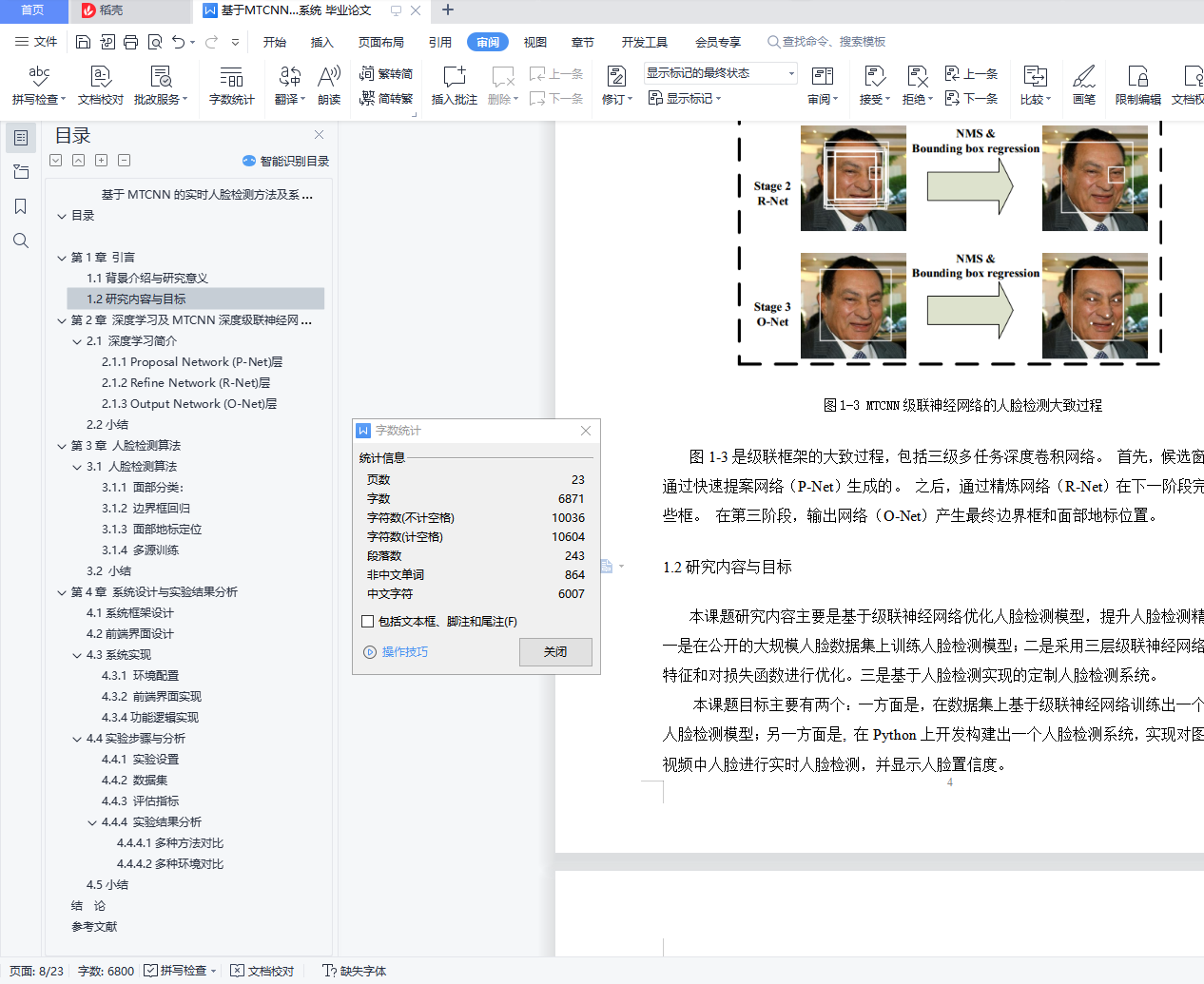
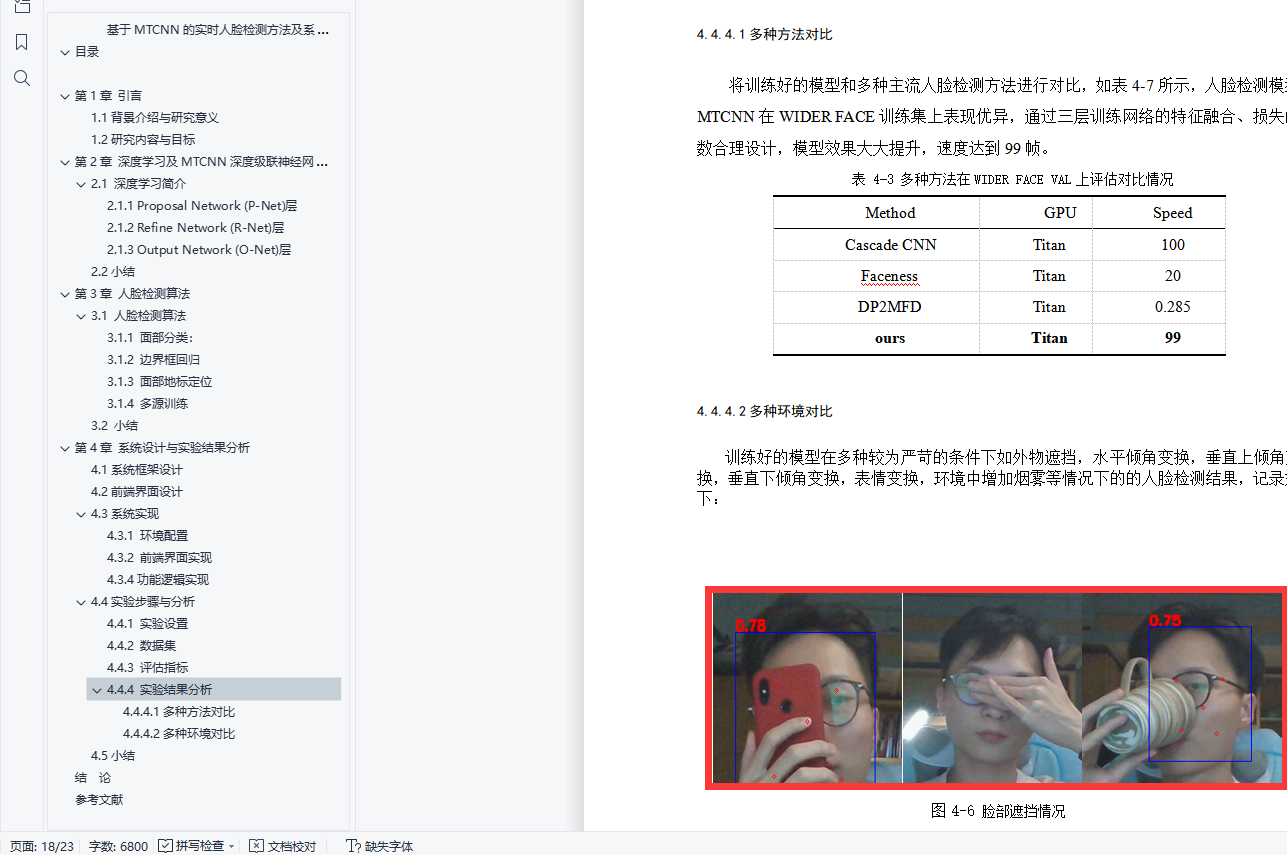
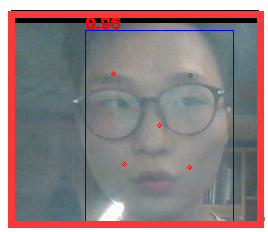
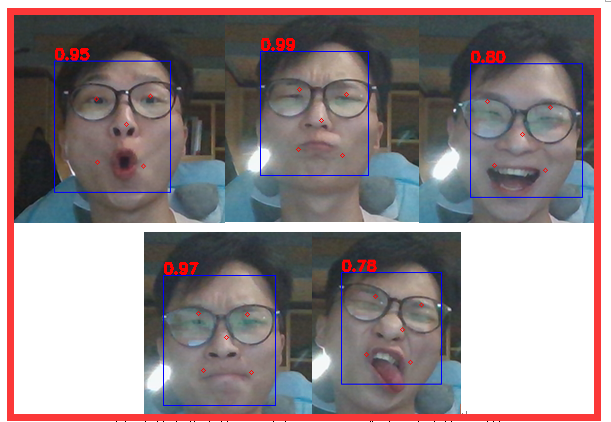
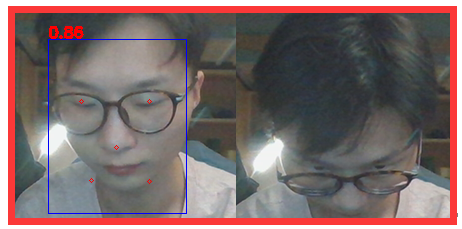
基于MTCNN的实时人脸检测方法及系统[摘要] 由于各种姿势,照明和遮挡,在无约束环境中的面部检测和对准具有挑战性。 最近的研究表明,深度学习方法可以在这两项任务上取得令人瞩目的效果。在本文中,我使用了MTCNN深度级联神经网络的多任务框架,该框架由三层网络构成,分别是P-Net、R-Net、以及O-Net。通过分别训练这三个神经网络。将一个网络的输出作为后一个网络的输入。以粗略到精细的方式预测面部的地标位置。指的一提的是,该框架通过选取loss前70%的hard example(比较难训练的样本)执行方向传播,提高了网络的训练效果。经过实验分析,该方法在面部检测中有着卓越精度,同时保持了实时性能。此外,在训练好的模型基础上,设计并开发出一个实时人脸检测系统,适用于门禁,照相以所有需要运用到人脸检测的场景。[关键词] 人脸检测; 级联神经网络; 深度学习: MTCNN:Real-time face detection method and system based on MTCNN[Abstract] Facial detection and alignment in unconstrained environments are challenging due to various poses, illumination, and occlusion.Recent work has shown that deep learning methods can achieve remarkable results on both tasks.In this paper, I use the multi-task framework of the MTCNN deep cascade neural network, which consists of three-layer networks, namely P-Net, R-Net, and O-Net.By training the three neural networks separately.Take the output of one network as the input to the latter network.Determine the landmark location of the face in a rough to fine way.Specifically, the framework improves the training effect of the network by selecting the top 70% of loss hard example (more difficult to train samples).After experimental analysis, the proposed method has excellent accuracy in facial detection, while maintaining real-time performance.In addition, based on the trained model, a real-time face detection system is designed and developed for access control and photography for all scenarios that need to be applied to face detection.[Keywords] face detection; cascade neural network; deep learning: MTCNN:目录基于MTCNN的实时人脸检测方法及系统 II目录 III第1章 引言 11.1背景介绍与研究意义 11.2研究内容与目标 4第2章 深度学习及MTCNN深度级联神经网络原理 52.1 深度学习简介 52.1.1 Proposal Network (P-Net)层 52.1.2 Refine Network (R-Net)层 52.1.3 Output Network (O-Net)层 62.2小结 6第3章 人脸检测算法 73.1 人脸检测算法 73.1.1 面部分类: 73.1.2 边界框回归 73.1.3 面部地标定位 73.1.4 多源训练 83.2 小结 8第4章 系统设计与实验结果分析 94.1系统框架设计 94.2前端界面设计 94.3系统实现 94.3.1 环境配置 94.3.2 前端界面实现 104.3.4功能逻辑实现 114.4实验步骤与分析 124.4.1 实验设置 124.4.2 数据集 124.4.3 评估指标 134.4.4 实验结果分析 144.4.4.1多种方法对比 144.4.4.2多种环境对比 144.5小结 17结 论 18参考文献 19