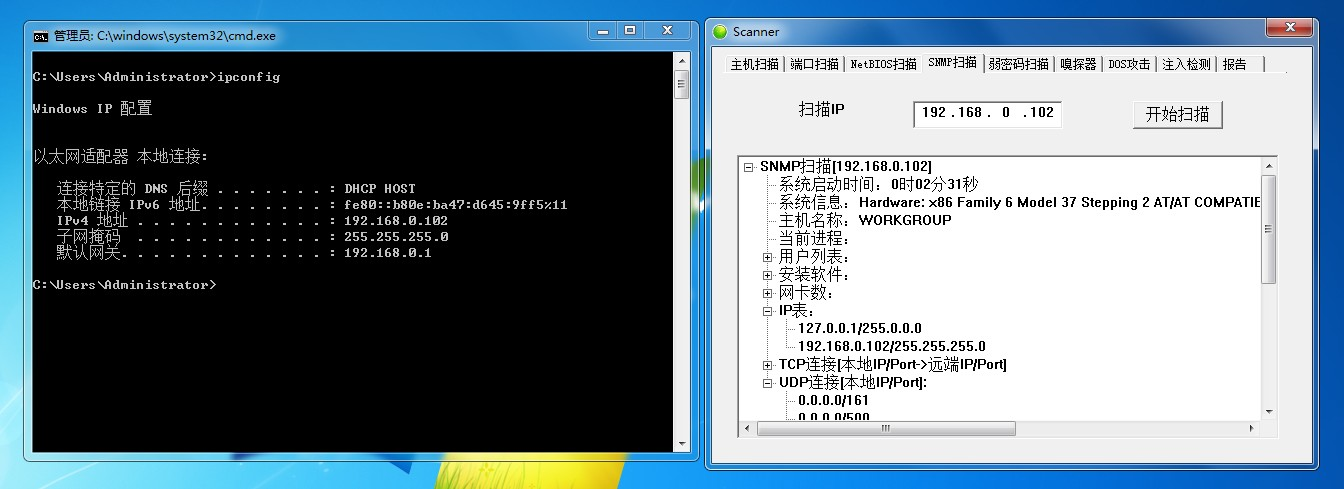
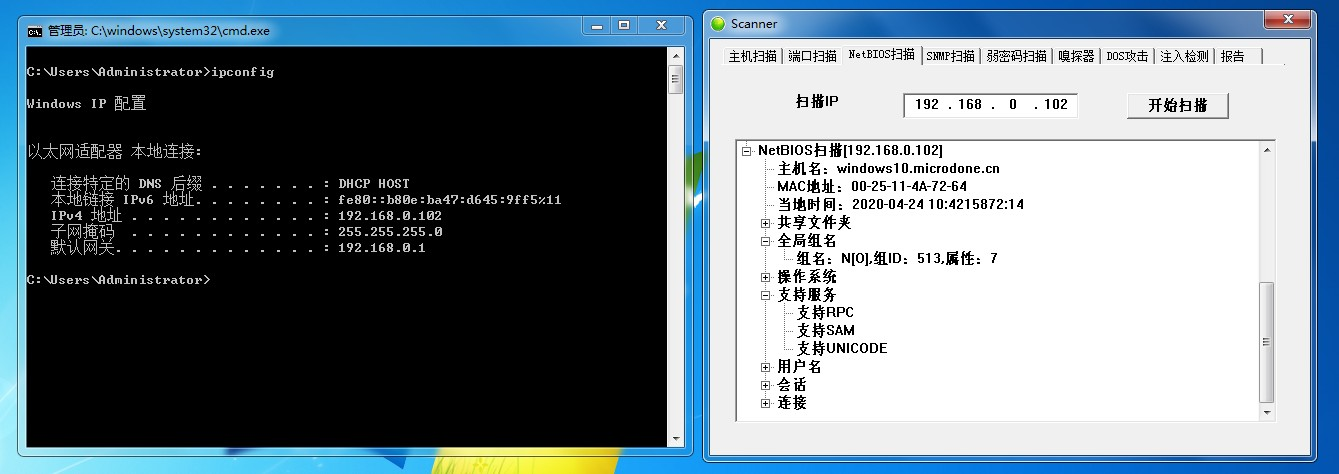
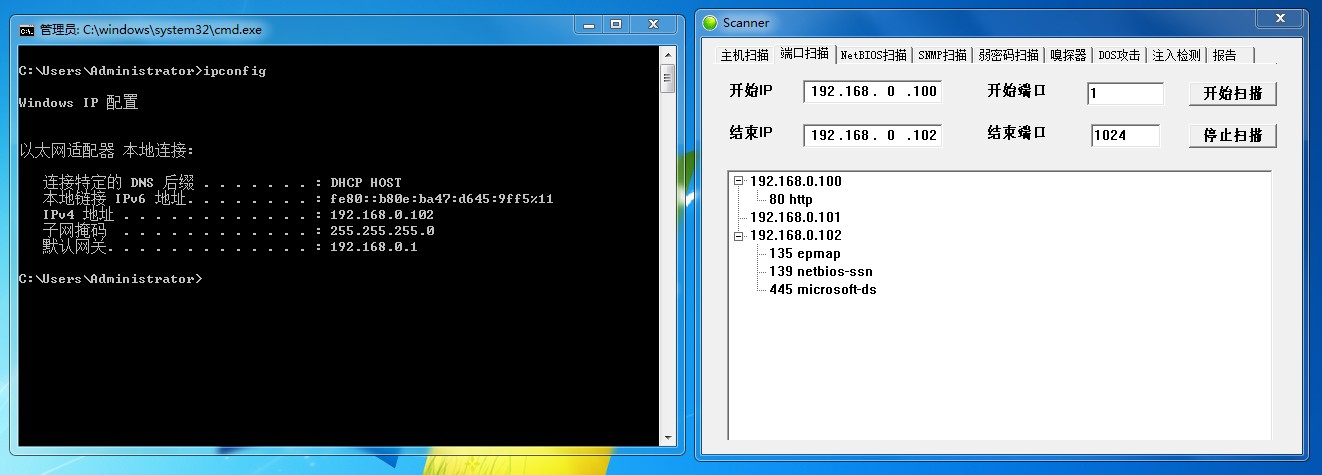
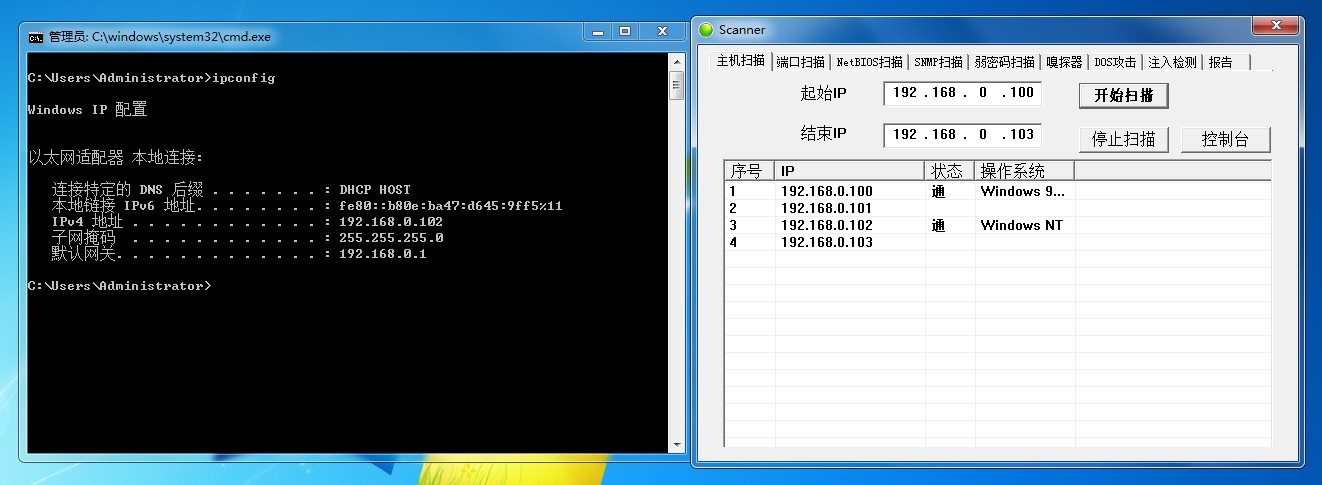
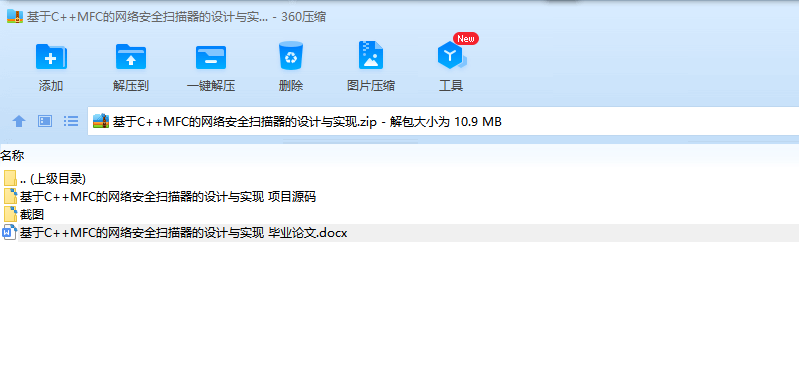
基于C++MFC的网络安全扫描器的设计与实现 毕业论文+项目源码
摘 要信息安全的目标在于保护信息保密性,完整性以及对合法用户提供应有服务;防止信息的非授权访问,获取与篡改;保证信息完整性与可用性.文章分析了网络漏洞扫描器在信息安全领域的作用与设计实现思想.网络安全扫描系统是一个自动化的安全风险评估系统,是用实践性的方法扫描分析网络系统,可以对路由器,Windows NT与UNIX服务器及所有TCP/IP网络设备进行安全扫描,准确全面报告系统存在的弱点和漏洞,具有安全策略的自定义能力,强大的扫描分析能力,面向多操作系统,具有生成分析报告的能力,并且能够提供解决方案和专家建议安全策略,从而最终达到增强网络安全性的目的.本设计的最终目标是打造一个具有多种扫描功能的网络扫描器。该扫描器具有以下功能:(1)可视化的图形界面,旨在为用户提供友好的使用环境。(2)实现一些基本的扫描任务,如读取到目的主机的软硬件信息,开放的端口等等。(3)帮助用户去自动生成符合用户心理的扫描结果报告,并将扫描结果以文件的形式展现出了。关键词:网络安全;网络扫描器;C++;MFC;安全检测AbstractThe goal of information security is to protect the confidentiality, integrity and provide due services to legal users; prevent unauthorized access, acquisition and tampering of information; and ensure the integrity and availability of information. This paper analyzes the role of design and realization of network vulnerability scanner in the field of information security.Network security scanning system is an automated security risk assessment system, using practical methods to scan and analyze network system, Windows NT, UNIX servers and all TCP / IP network devices, accurately and comprehensively report system weaknesses and vulnerabilities, security strategy customization capability, strong scanning analysis capability, multi-operating system, the ability to generate analysis reports, and can provide solutions and expert advice security policies to ultimately achieve the purpose of enhancing network security.The ultimate goal of this design is to build a network scanner with multiple scanning functions.The scanner has the following functions:(1) Visualized graphical interface, designed to provide a user-friendly use environment.(2) Realize some basic scanning tasks, such as reading the hardware and software information to the destination host, open ports, and so on.(3) Help users to automatically generate the scan results reports consistent with the user's psychology, and show the scan results in the form of a file.Key words: network security; network scanner; C + +; MFC; security detection目录摘 要 IAbstract II1 绪 论 51.1 研究的背景及意义 51.2 系统目标 62 网络扫描技术概述 82.1 安全漏洞研究 82.2 网络扫描技术 143 总体设计 173.1 运行环境 173.2 模块结构 174 界面设计 264.1界面关系图或工作流图 264.2界面设计成果 284.2.1主界面 284.2.2子界面 285详细设计 345.1系统主要功能模块介绍 345.2主机扫描模块设计 345.3端口扫描模块设计 365.4NetBIOS 扫描模块设计 375.5 SNMP 扫描模块设计 395.6弱密码扫描模块设计 405.7嗅探器扫描模块设计 405.8DOS 攻击模块设计 415.9注入检测模块设计 425.10报告生成模块设计 446测试 456.1测试方案设计 456.1.1主机扫描功能模块测试 456.1.2端口扫描功能模块测试 466.1.3NetBIOS 扫描功能模块测试 466.1.4SNMP 扫描功能模块测试 466.1.5弱密码扫描功能模块测试 476.1.6嗅探器扫描功能模块测试 486.1.7DOS 攻击功能模块测试 486.1.8注入检测功能模块测试 496.1.9报告生成功能模块测试 516.2 测试结果 517总结与展望 527.1设计工作总结 527.2未来工作展望 52谢 辞 53